
Pasta in Salsa Rosa
This post may contain affiliate links.
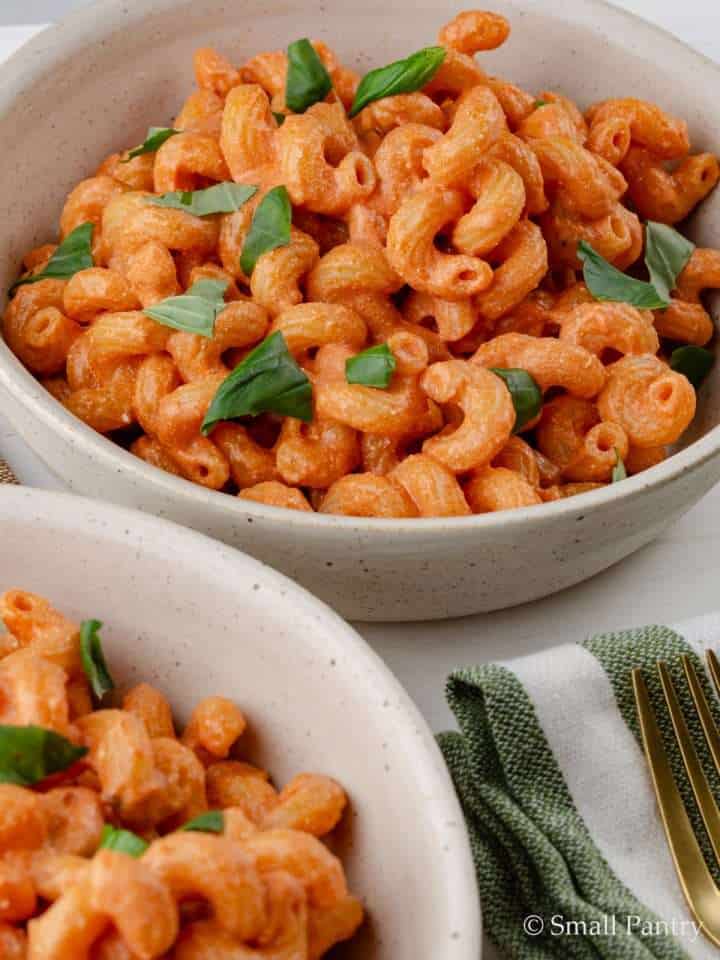
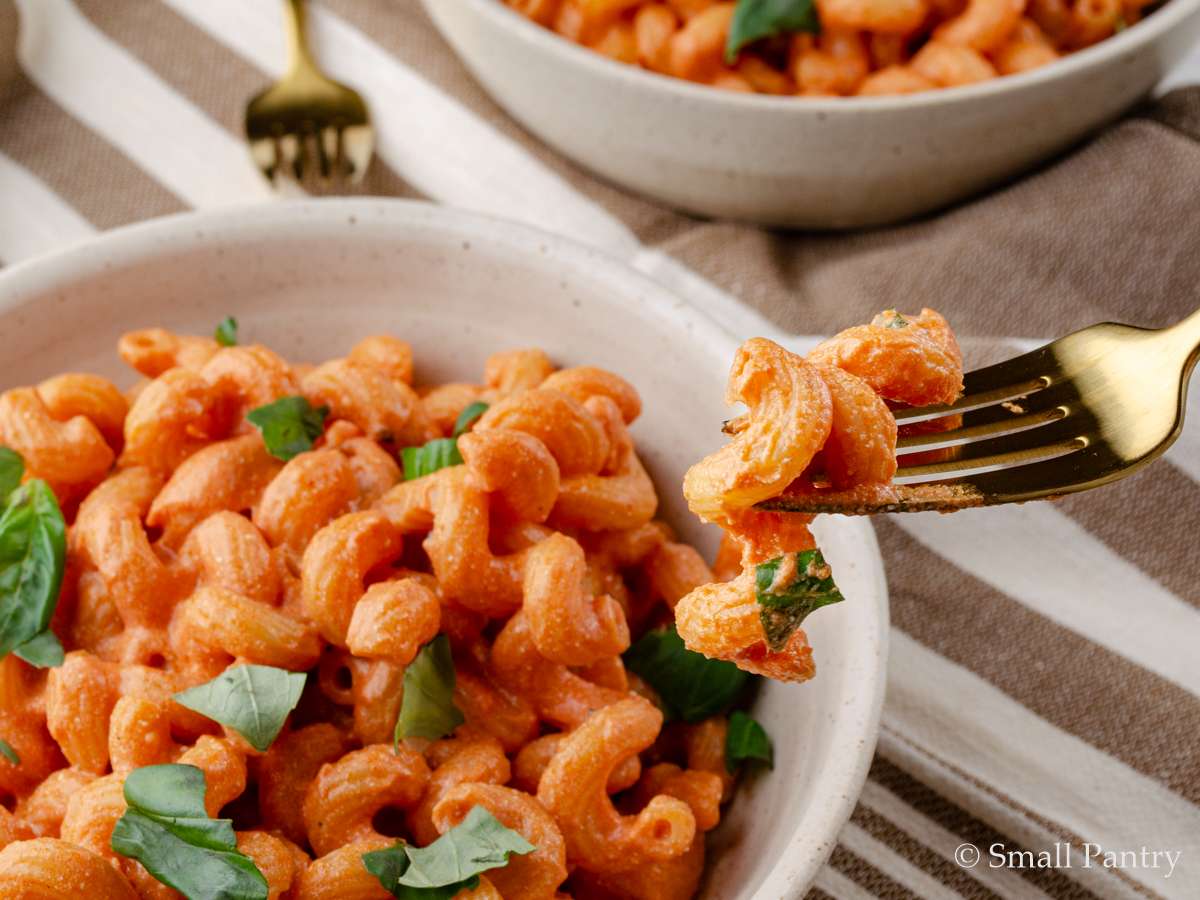
If you've ever found yourself craving the gooey, saucy flavors of lasagna but you don't have the energy for all the different components and steps, I'd like to introduce you to pasta in salsa rosa. While it lacks the baked gooey, cheesy top, salsa rosa is a simple sauce that gives you the flavors of lasagna with minimal time and effort. Fresh, cheesy ricotta mixes with a smooth tomato sauce to make a creamy, cozy bowlful that is guaranteed to cheer you up--no oven required.
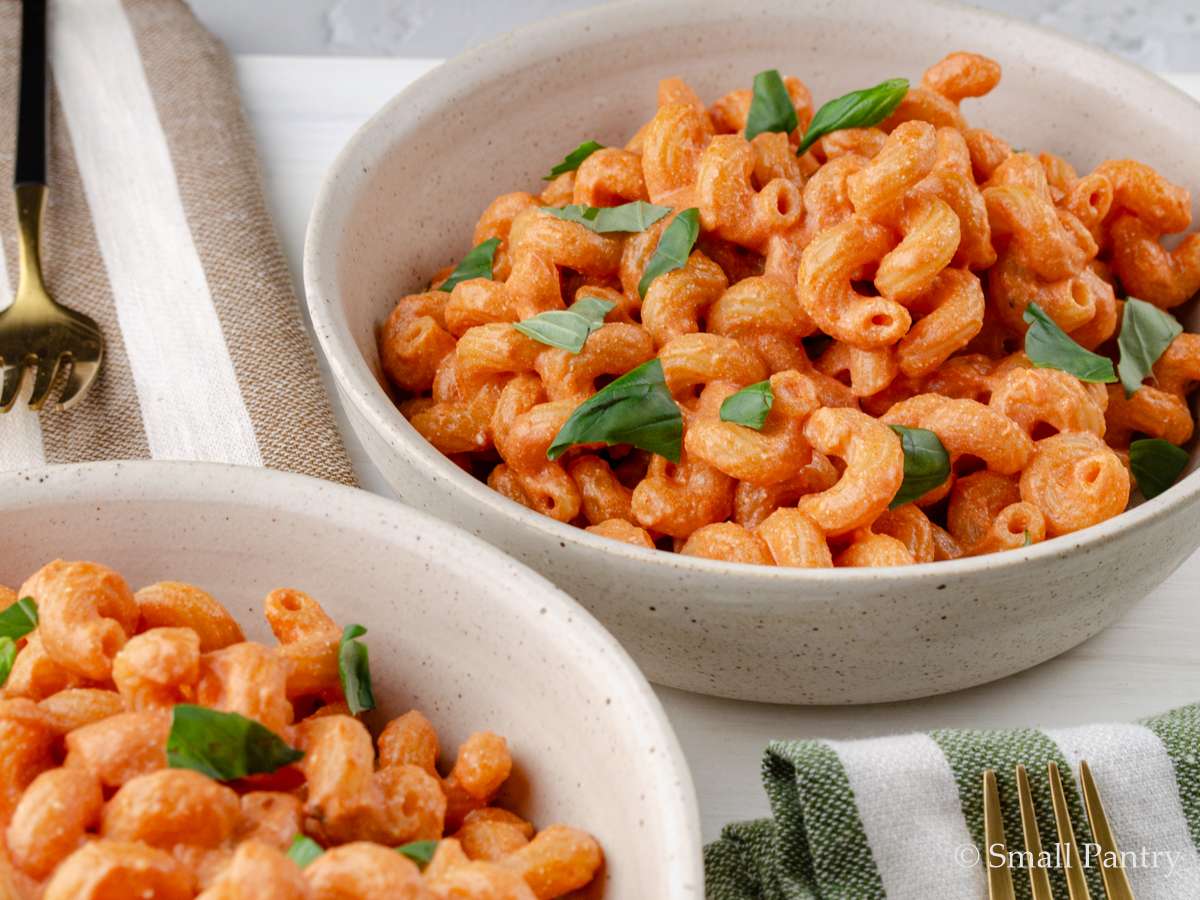
Italian pasta in salsa rosa is a recipe I heard about from a coworker who ate their way through Rome and its surrounding cities. I've seen folks try to this explain this sauce in multiple ways. Some say it's just a tomato cream sauce, others specify that it's a tomato sauce blended with a classic béchamel. Sometimes it's compared to vodka sauce or described as alfredo with tomato added.
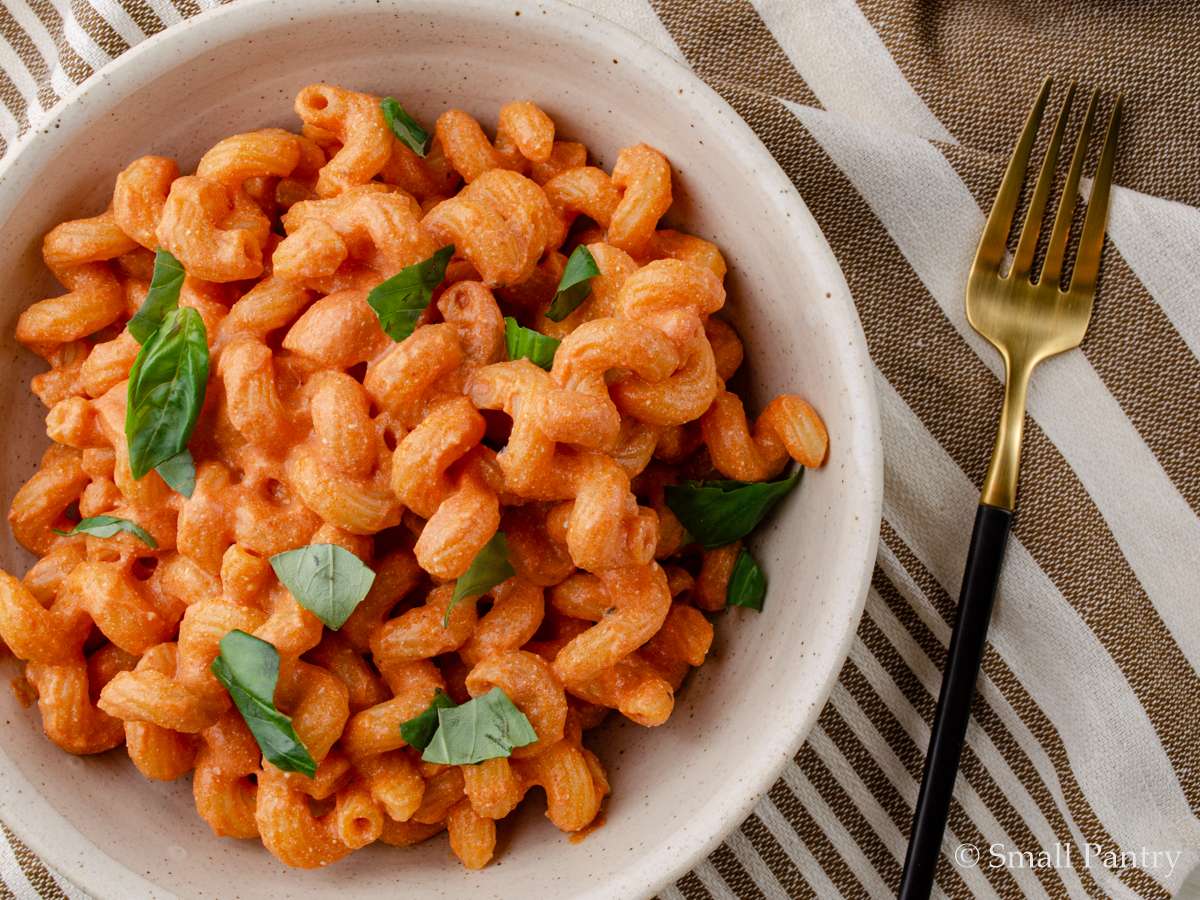
At its core, salsa rosa, which translates literally to "pink sauce," is a light, smooth tomato sauce mixed with some kind of creamy dairy. The orange-red of the tomato sauce lightens to a peachy pink color (it's never literally a pink sauce, more pink-ish). Similar to the variations that start with a béchamel, my ricotta-based recipe creates a sauce that feels like taking all the gooey saucy parts of lasagna and turning it into a pasta sauce. (Unsurprisingly, I prefer using ricotta instead of béchamel in salsa rosa for the same reasons I prefer lasagna made with ricotta instead of béchamel! Both are yummy, it's just my personal preference.)
Table of Contents
Ingredients
While I enjoy sauces that have a creamy texture, I prefer the creaminess to not be literally cream-based. Cream sauces are generally far too heavy and greasy feeling for me, even when expertly prepared in fancy restaurants. That's why I like my pink sauce pasta to get its creaminess from ricotta!
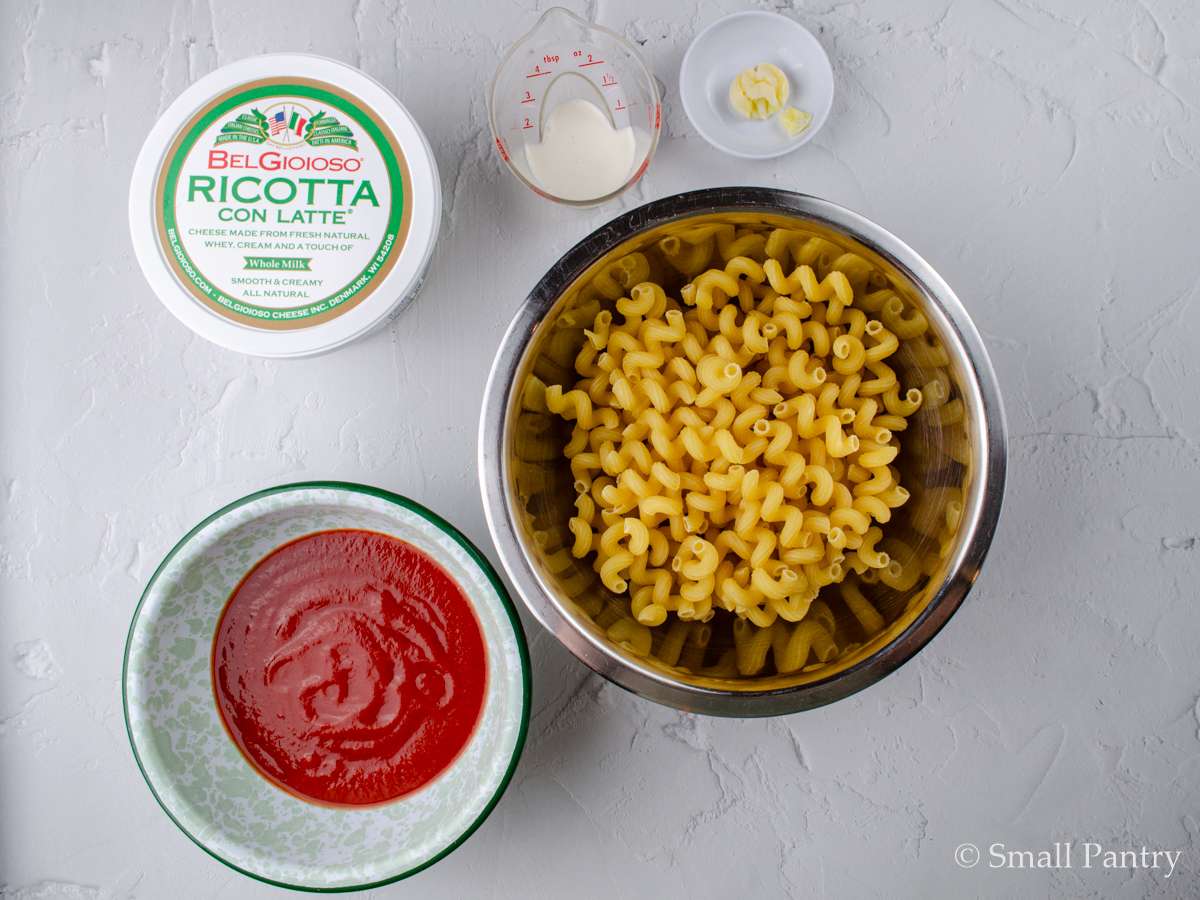
- Ricotta
- Ricotta adds a creamy, slightly cheesy flavor that is hard to replicate with other cheeses. Store-bought ricottas can sometimes be whipped very smooth, while others are loose, creamy curds. The better quality ricottas will have minimal preservatives and stabilizers. (My favorite brand, when not using homemade, is Calabro.)
- Garlic
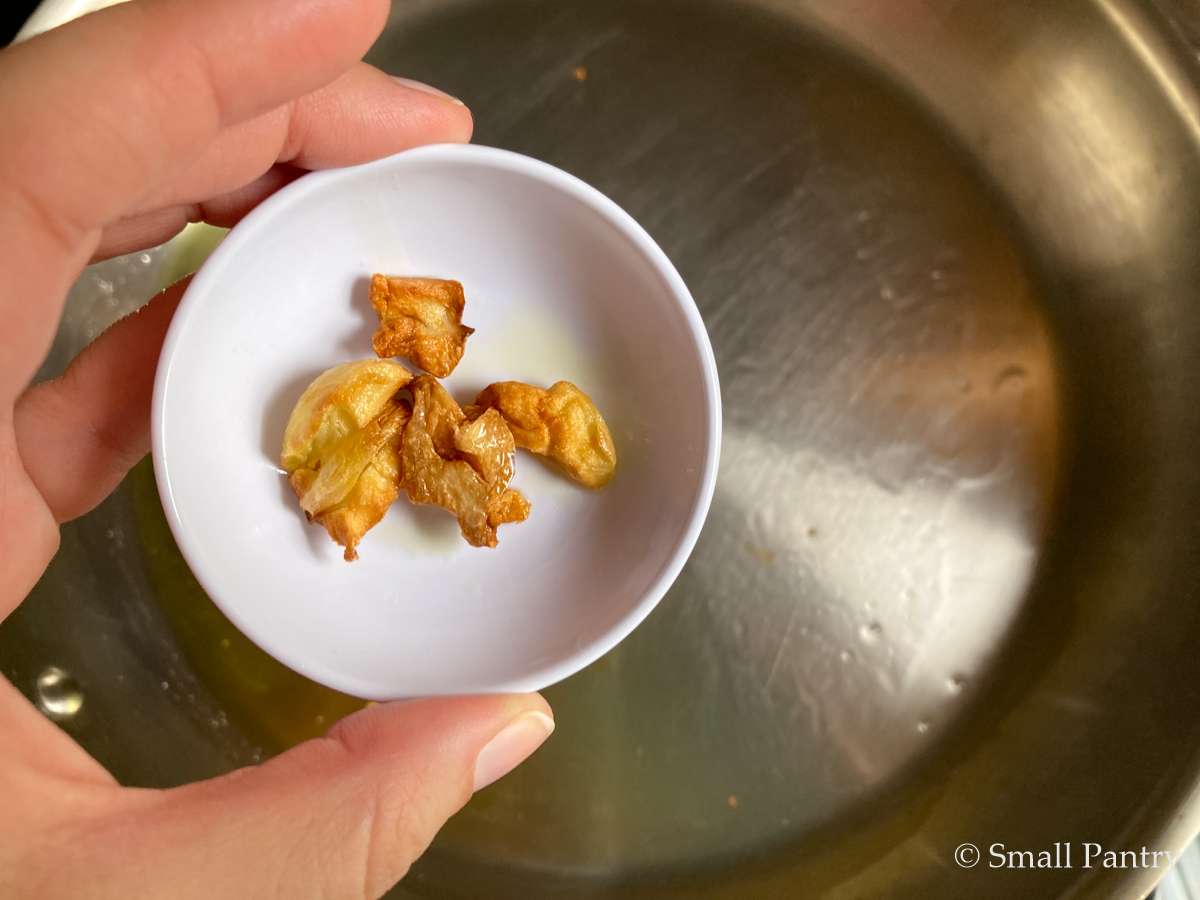
- Infusing your oil with garlic and then discarding the clove is a very Italian trick I learned when I was living abroad. You get all of the savory, delicious garlic character without fear of overpowering lighter ingredients like un-aged cheese (in this case, ricotta).
- Tomato Puree
- Canned tomato puree, sometimes labeled as passata, is key to the texture of this recipe. If you can't find puree, see Substitutions below for alternatives.
- Cream
- Once again, this is NOT a cream sauce. In testing, I found that the quality of store-bought ricotta varies so wildly that there needed to be an easy way to make crappy ricotta better. I found that a few spoonfuls of heavy cream helped to balance flavors and smooth out textures enough to make even the most unpleasant, cheap ricotta tasty. If your ricotta is super high quality, feel free to omit the cream.
(See recipe card for quantities.)
Basic Method
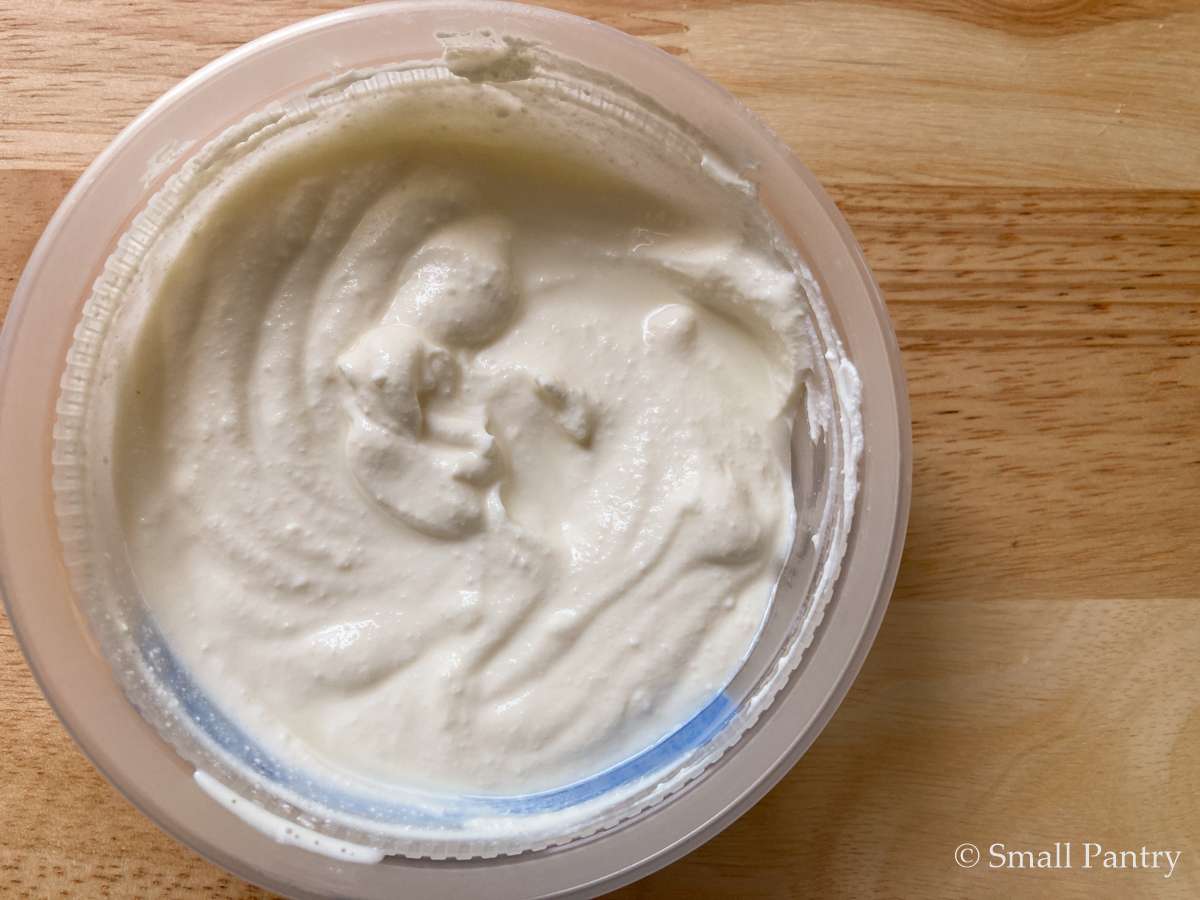
If using cream, whisk together the ricotta and cream until smooth.
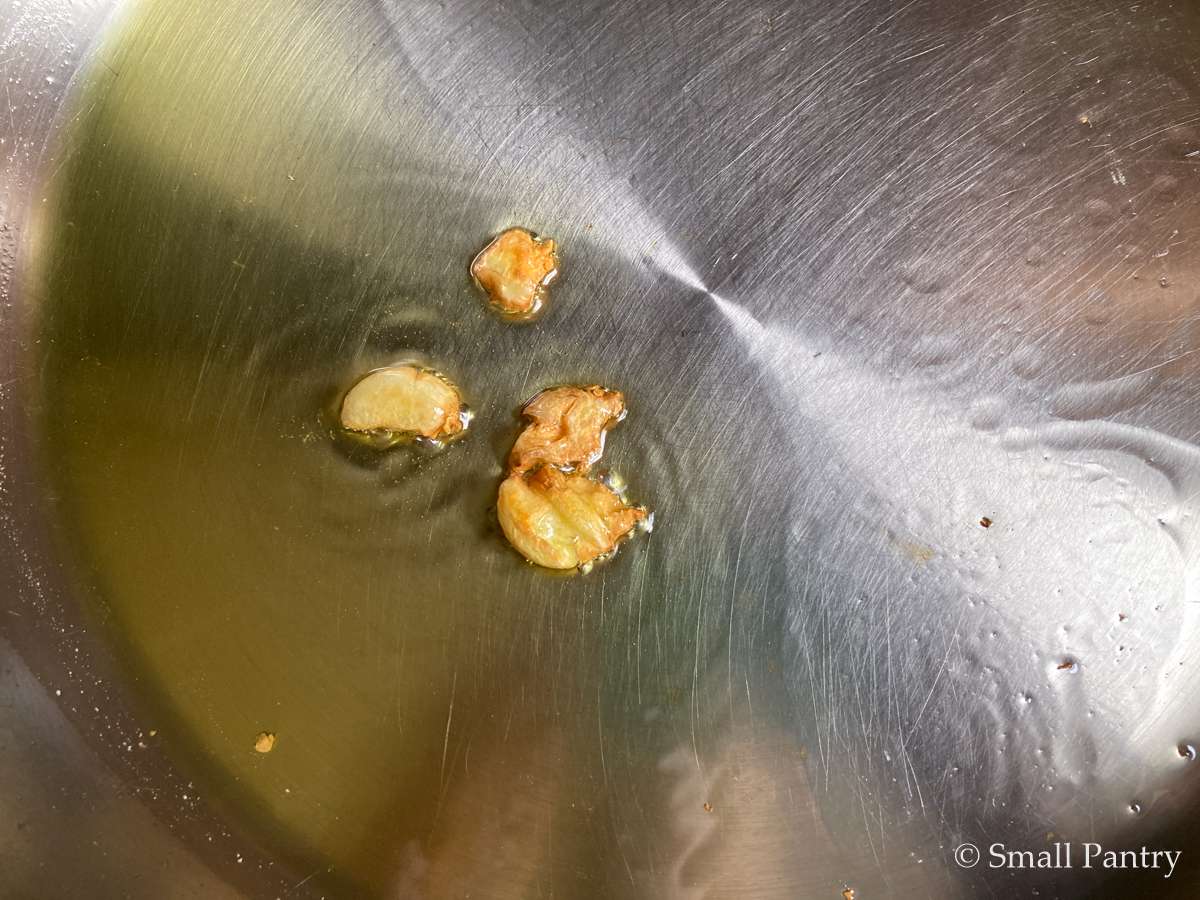
In a large skillet, add the olive oil and garlic. Cook over medium heat, stirring occasionally, until the garlic is well-browned, then remove and discard. If your garlic falls apart, remove any smaller bits as they brown to prevent them from burning.
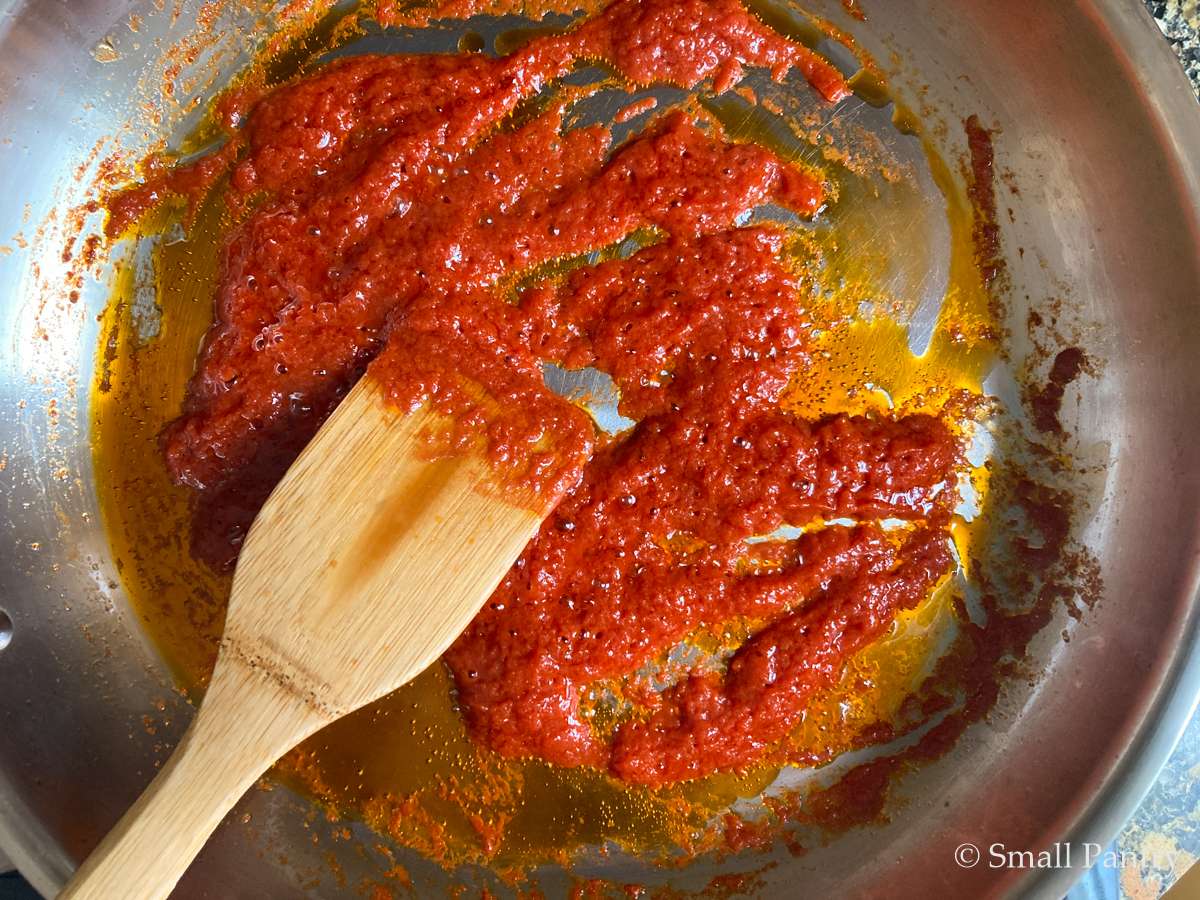
Cook the tomato puree in the garlic-infused oil, stirring often, until the sauce has thickened to a sticky, loose paste consistency.
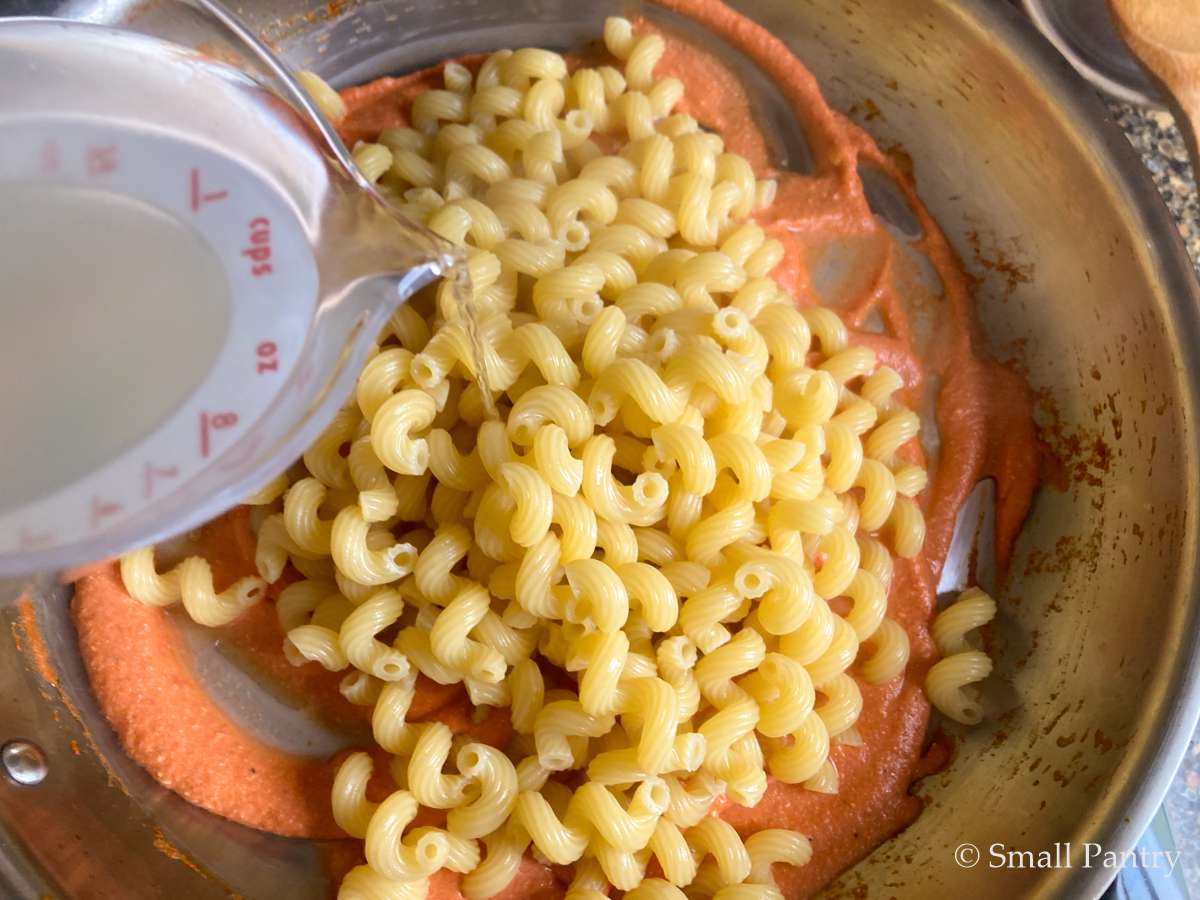
Whisk the ricotta into the cooked tomato puree. Add your cooked pasta to the pan along with some of the pasta water.
(See recipe card for full details.)
Substitutions
This pasta in salsa rosa is one of those recipes that is hard to adapt without simply turning it into a totally different dish. Below are some of the slight changes that you can make, without altering the dish's character too much.
- Canned Tomato Puree - if you can't find canned tomato puree, tomato passata, or unseasoned plain tomato sauce, you can kind of cheat to make your own from other canned tomatoes. Puree any unseasoned canned tomato until super smooth, then pass through a mesh strainer. Your texture might be thicker or looser, but it will be closer than trying to use crushed tomatoes or chopped tomatoes straight from the can.
- Ricotta - Changing the dairy will dramatically alter the flavor of this recipe, but you can technically experiment with your own béchamel or other creamy fresh cheeses like goat cheese or even cream cheese. Just keep in mind you'll lose the cozy lasagna-like flavor!
- Vegan - I can't personally vouch for any of the new vegan ricotta brands that have hit the market, but that is the best way to veganize this pink sauce.
Equipment
All you really need to make this pink sauce pasta recipe is a large pot for boiling pasta and a large skillet for cooking the tomato puree. Ideally your skillet should be big enough to toss the cooked pasta together with the sauce.
If your skillet is too small, you can cook the sauce as instructed then drain the pasta and return it to the pot. Add the tomato-ricotta mixture to the pot with the cooked pasta and continue to finish the recipe as-written.
Storage
This pasta does not reheat or freeze well. However, you can make the sauce a day or so in advance. Bring the sauce to room temperature before tossing with the hot pasta water and freshly cooked pasta.
Expert tips & tricks
After removing the browned garlic clove, save it for another use instead of discarding it. Minced up, it makes an excellent addition to homemade salad dressings or stirred into the pot when cooking rice. It's also an excellent addition to a cozy pot of beans!
FAQ
Salsa rosa is a simple, creamy tomato sauce. While it can be a cream-based sauce, salsa rosa is often made of a smooth tomato puree mixed with béchamel, ricotta, or a type of alfredo base. The main idea of salsa rosa is a tomato sauce lightened with some type of creamy dairy.
The best type of pasta for a thick, creamy sauce like a pink sauce (salsa rosa) is a sturdy, short pasta like rigatoni, cavatappi or penne. Ultimately, however, it comes down to what you are in the mood to eat. You should choose whatever pasta shape you're in the mood for, be it short or long like spaghetti.
Pink sauce pasta is not technically pink. Its color comes from the way orange-red tomato sauce lightens when mixed with pale, creamy dairy. The final color is more of a peachy, pale orange color than truly pink.
Related Recipes
Looking for more quick and easy recipes? Try these:


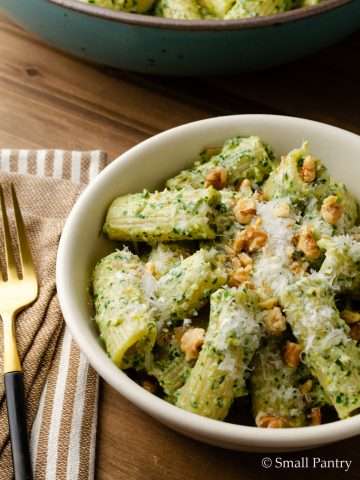
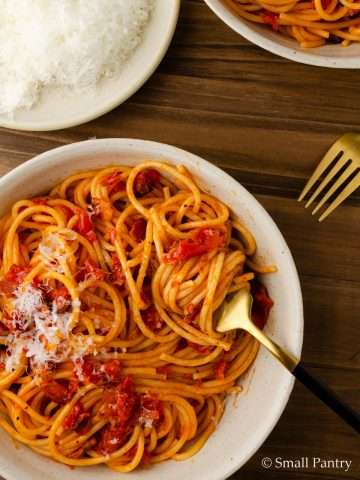
More Pasta Suggestions
These are some of my favorite pasta recipes. Give them a try!


Recipe: Pasta in Salsa Rosa
Ingredients
- ⅓ cup whole milk ricotta
- 1 tablespoon heavy cream
- 2 tablespoons extra virgin olive oil
- 1 medium garlic clove, smashed and peeled
- ¾ cup canned tomato puree, (about 6 ounces)
- Kosher salt and black pepper
- 8 ounces dried pasta
- Fresh basil, to serve
Preparation
- Step 1Bring a large pot of well-salted water to a boil. In a small bowl, whisk together the ricotta and cream. Set aside.
- Step 2While the water comes to a boil: In a large skillet, add the olive oil and garlic. Heat over medium, stirring occasionally, until the garlic is well-browned, about 5 minutes. If your garlic falls apart, remove any smaller bits as they brown to prevent them from burning. Remove the garlic and discard (or save for another use, see Notes below). Remove the pan from heat.
- Step 3Whisk the tomato puree into the oil, then return the skillet to medium heat. Bring to a simmer and cook, stirring often, until the sauce has thickened to a sticky, loose paste consistency, 7 to 10 minutes. Remove from heat and whisk in the ricotta mixture plus ½ teaspoon salt. Taste and adjust seasoning as needed with additional salt and pepper.
- Step 3Boil your pasta according to package instructions. (If your sauce has cooled, set it over low heat to re-warm.)When the pasta is cooked, reserve 1 cup of pasta water, then drain the pasta and add to the skillet with the sauce. Add ¼ cup of reserved pasta water and stir well to coat the pasta with the sauce. Adjust the texture as needed with additional pasta water. Taste and adjust seasoning with salt and pepper. Serve with fresh basil.
Sean says
Easy and delicious!