
Risotto al Pomodoro (Simple Tomato Risotto)

This post may contain affiliate links.
This is, without a doubt, one of my absolute favorite risotto recipes. It harnesses the magical savory, bright flavors of fresh tomatoes to infuse your whole pot with the blissful taste of summer. Some recipes for tomato risotto look more like rice cooked in jarred marinara sauce, but my recipe for risotto al pomodoro is elegant, light, and deeply flavored with fresh, juicy tomato flavor. And once your rice hits the pan it only takes about 15 minutes of casual stove time before you're ready to eat. Perfection!

Tomato season is, in my opinion, one of the best seasons. I love fresh tomatoes, and once you've been introduced to the tangy, umami-rich, slightly sweet flavor of an heirloom in-season tomato your world will forever be changed. But sometimes I'm impatient, and want that same blissful tomato flavor in the off-season. This recipe is one of my answers to that craving.
While fresh, in-season tomatoes will make this recipe even better, my method will help you coax out rich, summery flavor from even the most drab winter plum tomato. This risotto al pomodoro is based on the technique of my simple classic risotto. I think it stands well on its own, but it also pairs well with simple things like grilled meats, roasted cauliflower, or deviled eggs.
Table of Contents
Ingredients
The real secret to this risotto al pomodoro is the quick-and-dirty homemade tomato broth. When rounded out with fresh chopped tomatoes, basil, and plenty of cheese you get a gorgeous, flavor-packed tomato risotto. You won't find tomato sauce or canned tomatoes here. As mentioned above, this risotto is all about fresh depth of flavor, a true ode to tomatoes. Canned tomatoes have their place, but not in this elegant risotto al pomodoro!

- Carnaroli or Arborio Rice
- These are both medium grain rice. Carnaroli is my preference--after the hundreds of batches I've made in test kitchens (and at home!) I find that it retains its texture better than Arborio, which is more prone to turning mushy. If it's your first time making risotto, it's nice to have Carnaroli as a helpful safety net.
- Parmesan Cheese
- Nutty Parmesan, when finely grated, melts into the brothy rice to help turn it creamy and silky. It's an incredibly important flavor base for this tomato risotto, so use freshly grated, good quality cheese. It will have a significant impact on the final flavor, so using the cheap stuff will be noticeable.
- White Balsamic Vinegar
- When white balsamic is aged, it becomes slightly less acidic than regular white wine vinegar, and naturally gains a touch of sweetness. Adding a splash at the end of cooking is one of the secrets to making blah winter tomatoes into something special. Don't be afraid of it! It's one of the key elements that makes this recipe sing.
- Homemade Tomato Broth
- Along with good quality cheese, this broth is crucial for the potent yet elegant tomato flavor. If you don't want to take the time to make homemade broth (it only simmers for 25 minutes!), then hop down to Substitutions for a few "cheat" alternatives.
- Fresh Tomatoes and Fresh Basil
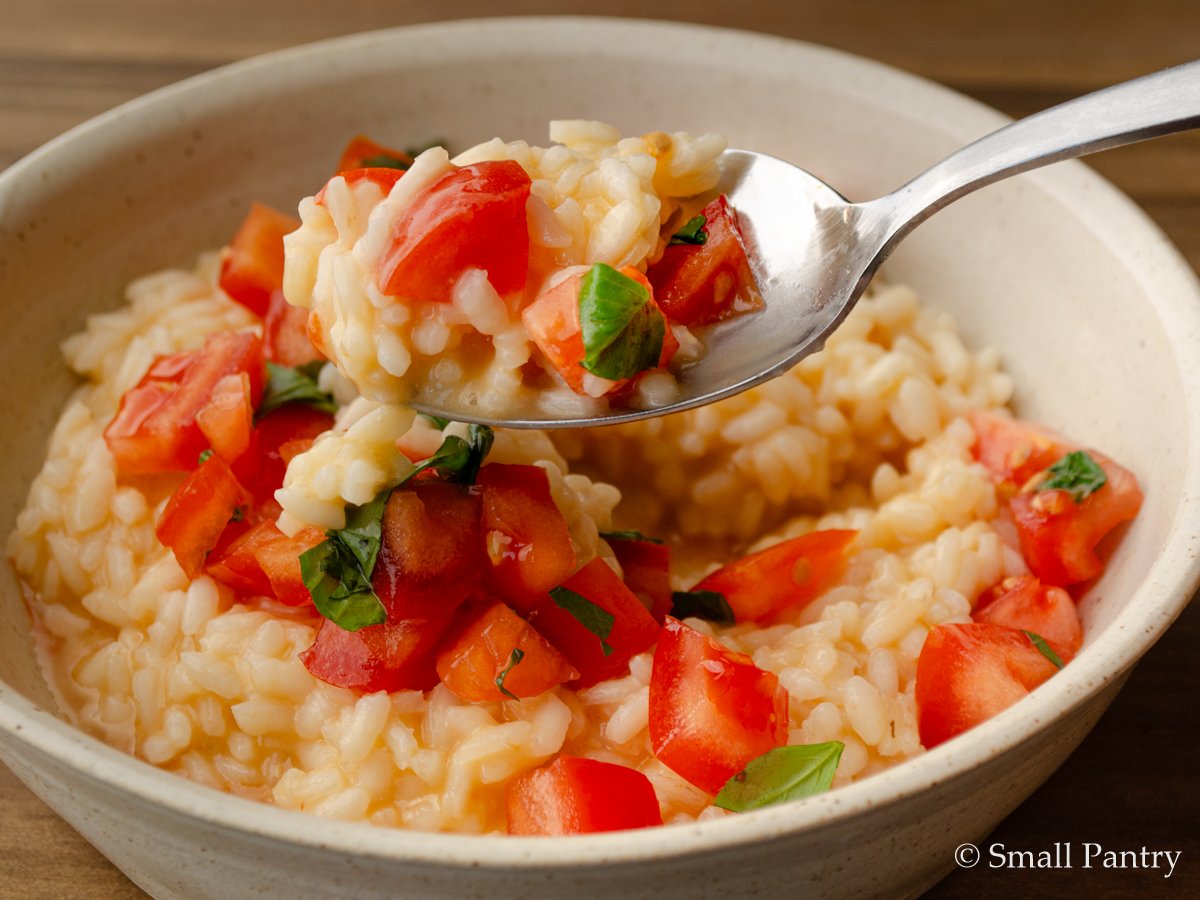
- A simple topping of fresh ingredients finishes off this creamy tomato risotto perfectly. It's tomato on tomato flavor!
(See recipe card for quantities.)
Basic Method: Photos
The ingredients are the main fuel to the extraordinary flavor of this risotto al pomodoro recipe, which means the method can stay wonderfully simple! Prep your risotto ingredients while your broth simmers, and then when your rice hits the pan you're only about 15 minutes away from eating!
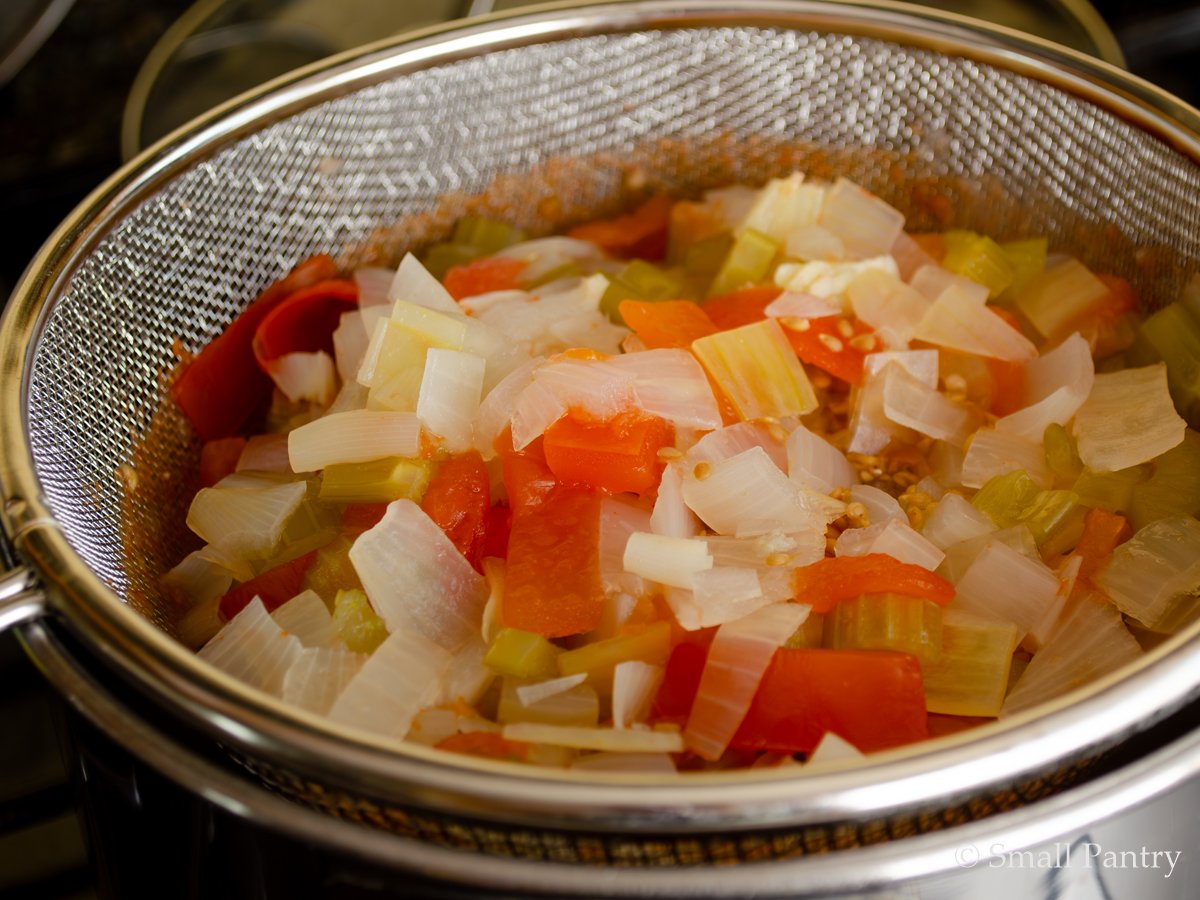
Simmer all of the tomato broth ingredients, then strain. Keep the broth warm.
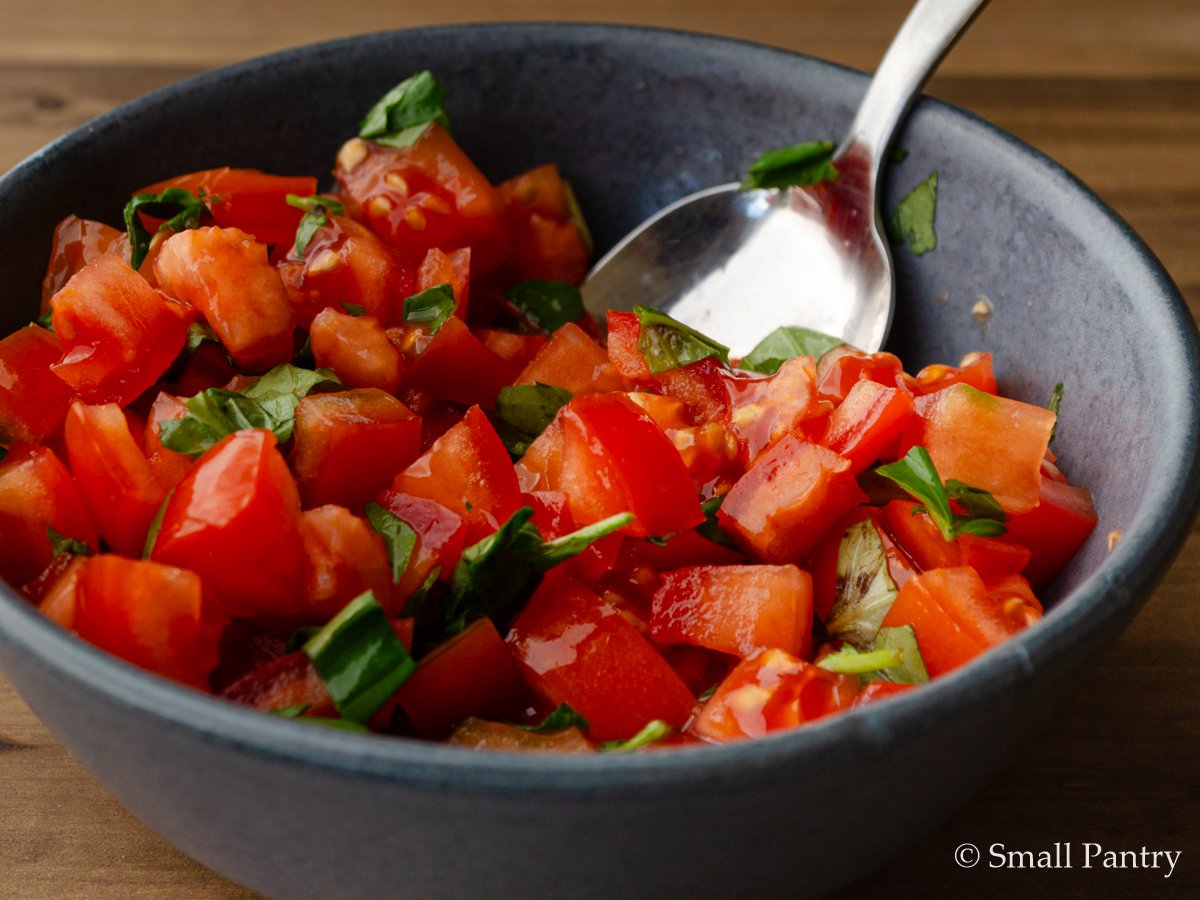
In a medium bowl, mix together chopped tomatoes, basil, and salt.
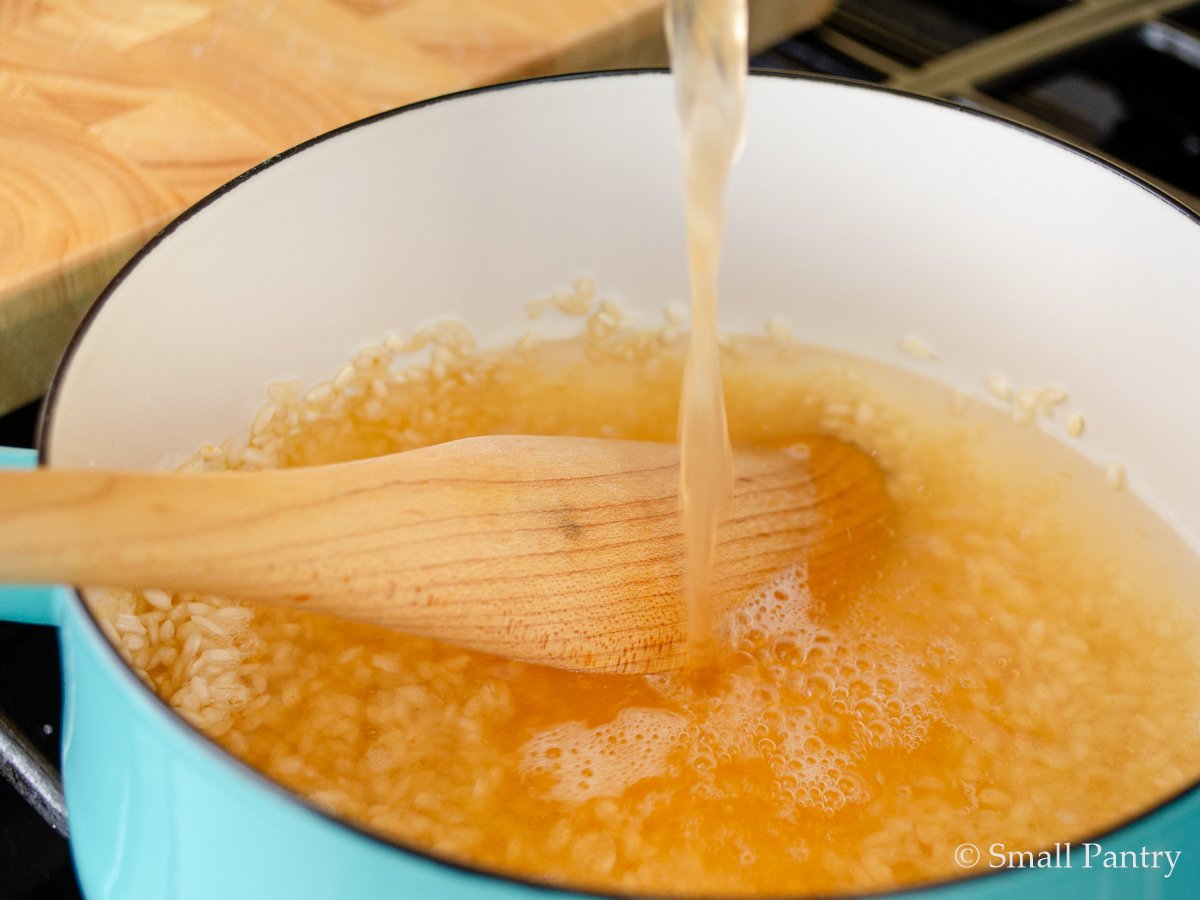
Toast the rice in butter over medium heat, then add most of the tomato broth. Simmer and stir often.
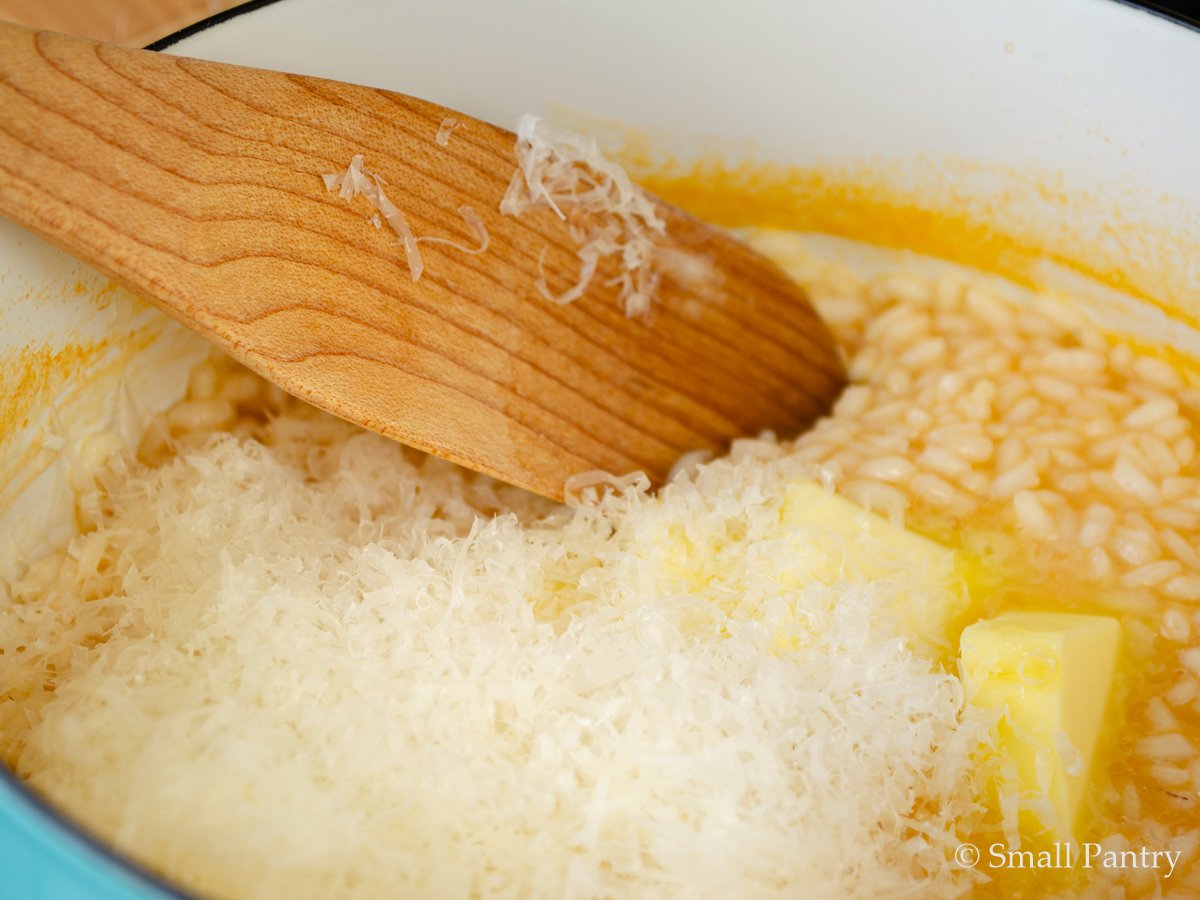
When the rice is just shy of al dente, remove from heat and add the remaining butter and the cheese. Serve topped with the tomato salad.
Hint: The broth can be made days in advance and stored in an airtight container in the refrigerator. Reheat when ready to use.
Substitutions/Pantry Swaps
The nice thing about this recipe is that it mostly relies on basic, easy-to-find ingredients. That being said, here are some suggestions that will hopefully help eliminate any barriers to you giving this tomato risotto a try!
- Risotto Rice - you can use any medium-grain rice, or even short grain rice, regardless of where it's from. It doesn't have to be Italian "risotto rice." The important thing is size, so if you already have a lovely medium grain Japanese rice in your pantry, use that! All types of rice will vary slightly in cook times and how much liquid they need, so just keep that in mind.
- Homemade Tomato Broth - If you prefer not to make your own tomato broth, you can use homemade tomato juice (with a juicer) or substitute a "cheat" tomato broth.
- Tomato Paste Cheat Broth - dissolve 2 tablespoons tomato paste and ½ teaspoons salt into 4 cups hot water. This will give you a light, flavorful broth. Compared to homemade: This will be sweeter and denser, with a stronger cooked tomato flavor; Less of a vibrant, fresh tomato character than homemade.
- White Balsamic Vinegar - if you can't find white balsamic, or don't want to buy it just for this recipe, use unseasoned rice vinegar or a good quality white wine vinegar. Keep in mind, both of these lack the natural sweetness of balsamic, which softens and balances the acidity. Because of this, you should start with a bit less and then add more to taste. (Do not sub regular balsamic!)
Variations
The simplicity of this risotto recipe means it's easy to incorporate into your regular meal rotation. It also means that it's easy to make small changes to fit your preferences or mood! Here are some examples:
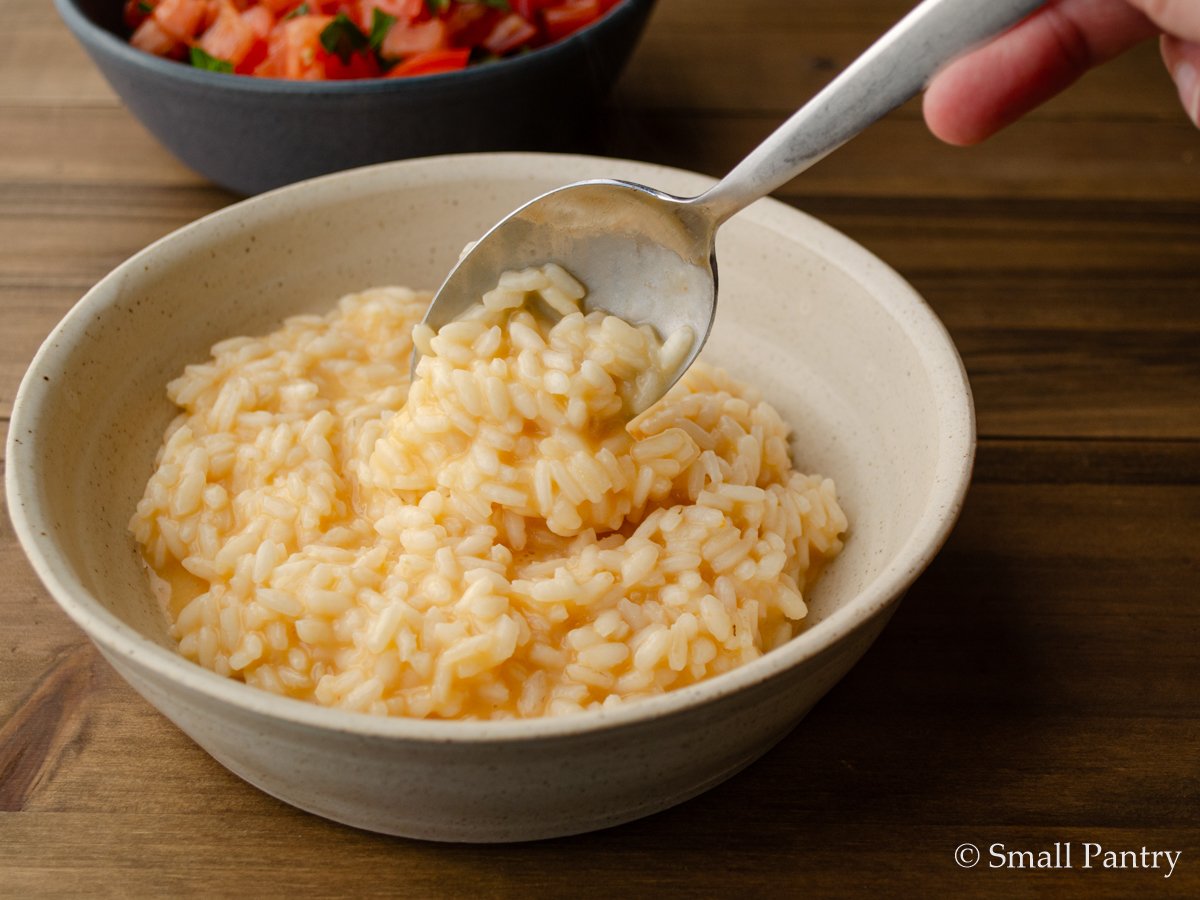
- Texture - this recipe has been carefully written to give you "perfect" all'ondo risotto, the way you would find it in Italy. That means al dente grains of rice suspended in a silky, thick sauce that flows like lava when spooned onto a plate. However, "perfect" is subjective! If you prefer your rice firmer/softer or if you prefer the risotto to be looser/stickier, hop over to my notes on customizing texture.
- Make it Deluxe - In-season heirloom tomatoes, when available, are an instant upgrade. Even winter tomatoes will yield a wonderful, fresh tomato flavor, but the amazing depth of flavor from in-season heirlooms is absolutely out of this world.
- Different Herbs - if you're not a fan of basil or don't happen to have any, try fresh thyme, fresh mint, or fresh tarragon. Fresh oregano will also work but can be rather assertive, so use your best judgement. I do not recommend substituting dried herbs for this recipe.
For a different approach to tomato risotto, check out this creamy tomato mascarpone risotto recipe, also on small-pantry.com!
Equipment
As you know, equipment can have a big impact on how a recipe turns out. Our stoves and ovens will function differently, even if yours are the exact same models as mine. Differences in pan size and material will also affect things like cooking time, temperature, and moisture loss.
- For this recipe, I recommend using a 2-quart saucepan and a flat-edged wooden spoon. The flat edge of the spoon helps to make sure there are no rogue grains of rice sticking to the bottom of your pot.
- If your pan is smaller than 2 quarts, you risk splatters and spills that can burn you (and make a mess).
- If your pan is larger and wider (like a Dutch oven), the broth will evaporate faster due to increased surface area. You will likely need to add more broth in step 3 to get the correct balance of creaminess and rice tenderness.
- If your pan is larger and taller, the broth may evaporate more slowly. This is because the higher sides of a taller pan trap more moisture, slowing overall evaporation. You may not need to adjust liquid amounts, or you may need to use a bit less in step 3.
Storage
Make Ahead - You can prep and measure all ingredients several hours in advance, even the tomato salad. The tomato broth can be made days in advance. Keep perishable ingredients covered and in the refrigerator. For the tastiest plate of risotto, aim to start cooking about 20 minutes before you would like to eat.
To make risotto far in advance for a crowd, see my restaurant-style make ahead instructions.
Storage - Risotto does not reheat well, but it's still tasty the next day. If warming gently on the stove, add a splash of water or broth to loosen. You can creep close to its original silkiness, but it will be a shadow of its former self. However, if you have leftover risotto, I recommend you make it into arancini! (Recipe to come!)
Expert tips & tricks
Keep this seasonal by making use of heirloom tomatoes! Heirloom tomatoes all have different flavors and textures, and a light, savory tomato risotto like this one is a terrific way to showcase the variations! Experiment with different colors, like choosing all-yellow tomatoes, all purple tomatoes, or even pairing two non-red colors like purple and green tomatoes!
FAQ
Risotto is an Italian dish made from medium grain rice cooked in broth and finished with butter and/or cheese. The techniques for making risotto can vary, but all focus on encouraging the rice starches to bind with the broth and cheese, making a stable, silky sauce that coats the rice.
Knowing which stock to use for risotto comes down to both the ingredients called for in the recipe and personal preference. The choice in stock should complement the other ingredients without over-powering them. Using a tomato broth for a tomato risotto, for example, infuses the rice with tomato flavor while enhancing the rest of the dish.
Risotto is traditionally made with Italian medium grain rice varieties, such as arborio, carnaroli, or vialone nano. Arborio is usually the most common Italian medium grain rice found in North American grocery stores.
The key characteristics of a well made risotto are tender yet toothsome grains of rice that are suspended in a creamy sauce made from the emulsion of broth, cheese, and butter. The texture should be loose enough to slowly flow to fill a shallow bowl, but thick enough to crest like a wave when stirred in the pan ("all'ondo"). The choice of rice is important because medium grain rice has the ideal combination of starch content and grain texture. The starches are what forms the emulsion between broth and butter. The shape of medium grain rice becomes tender and plump, but retain its shape instead of getting sticky or mushy.
Related Recipes
Looking for more risotto recipes? Try these:


More Suggestions
Interested in another type of one-pot meal? Take a peek at these:


Recipe: Risotto al Pomodoro (Simple Tomato Risotto)
Ingredients
- 4 cups homemade tomato broth, below
- 3 medium tomatoes, chopped (about 2 cups)
- ½ cup fresh basil, chopped (about ¼ cup)
- kosher salt
- 5 tablespoons butter, cut into 1-tablespoon pieces, divided
- 1 cup carnaroli or arborio rice
- 1 ounce Parmesan, finely grated (½ cup)
- 1 tablespoon white balsamic vinegar, or other light vinegar (See Notes)
Simple Homemade Tomato Broth:
- 5 cups water
- 2 large celery stalks, chopped
- 1 large yellow onion, peeled and chopped
- 3 medium tomatoes, chopped
- 2 large garlic cloves, peeled and chopped
- ½ teaspoon kosher salt
Preparation
Make the tomato broth:
- Combine all ingredients for the tomato broth in a large pot. Bring to a boil, then reduce heat to medium-high. Partially cover and cook, stirring once or twice, for 25 minutes. Strain out the vegetables and discard. Return the strained broth to the pot to keep warm.
Step 1: Season the tomatoes
- In a medium bowl, combine the tomatoes, basil, and ½ teaspoon salt. Set aside until ready to serve.
Step 2: The main cook
- In a large saucepan or high-sided skillet over medium-high, melt 1 tablespoon butter. Add the rice and cook, stirring constantly, until translucent at the edges, 1 to 2 minutes. Add 2½ cups of the warm broth and bring to a boil. Reduce to medium heat and cook, stirring frequently and briskly, until the rice grains are noticeably more tender but still have quite a firm core, 8 to 10 minutes. The risotto will still look quite loose and soupy. Adjust the heat as-needed to maintain a vigorous simmer.
Step 3: Adjust texture
- Add another ½ cup of the hot broth and continue cooking, stirring frequently and briskly, until the rice is just shy of perfect al dente, 3 to 5 minutes. It should still be quite soupy and loose. Remove from heat.The grains of rice will continue to soften in the next step and the texture will stiffen up, so you want the rice just shy of al dente and the overall texture just a bit loose.
- If the rice is still very crunchy but the risotto is already looking thick and sticky, add ¼ cup more of the broth and continue simmering and stirring. Repeat, as needed, adding broth ¼ cup at a time, until the rice is just shy of perfectly cooked.
Step 4: Add cheese and butter
- Off heat, stir in the Parmesan, ½ teaspoon salt, and the remaining 4 tablespoons butter, 1 piece at a time. Stir in the vinegar, then taste and adjust seasoning with salt. Serve immediately, topped with the chopped tomatoes.


Leave a Reply